People often use these terms interchangeably, but medically, they are very different events. In our First Aid classes at RupIELTS, we use a simple analogy to help students remember: One is a Plumbing problem, the other is an Electrical problem.
The Heart Attack
Type: Plumbing Problem 🪠
What is it? A blocked artery prevents oxygen-rich blood from reaching a section of the heart muscle. The heart is still beating, but the muscle is dying.
Signs:
• Squeezing chest pain
• Nausea / Indigestion
• Shortness of breath
• Patient is usually Conscious
Cardiac Arrest
Type: Electrical Problem ⚡
What is it? The heart's electrical system malfunctions. It stops beating effectively (or at all). It quivers (fibrillates).
Signs:
• Sudden collapse
• No Pulse
• No Breathing (or gasping)
• Patient is Unconscious
The Link Between Them
A heart attack can lead to cardiac arrest. If the blockage is severe enough, the heart muscle gets confused and the electricity stops working. This is why acting fast during a heart attack is vital—you are trying to prevent the arrest.
The Action Plan (What You Will Learn)
If it's a Heart Attack (Conscious):
- Call 911.
- Keep them calm and seated (W position).
- Assist them with Aspirin (if not allergic).
If it's Cardiac Arrest (Unconscious):
- Call 911 immediately.
- Start CPR: Push hard and fast in the center of the chest.
- Use an AED: An Automated External Defibrillator shocks the heart to reset the electricity.
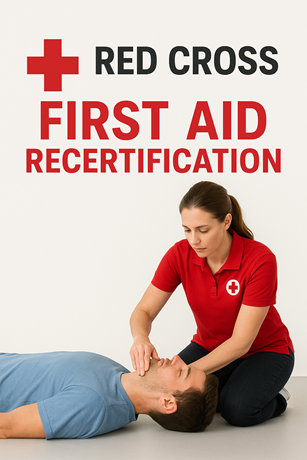
In our Surrey classroom, you will practice these scenarios on high-tech mannequins until you are confident you can save a life.